
Discover the Calming Power of Stress Relief Tea
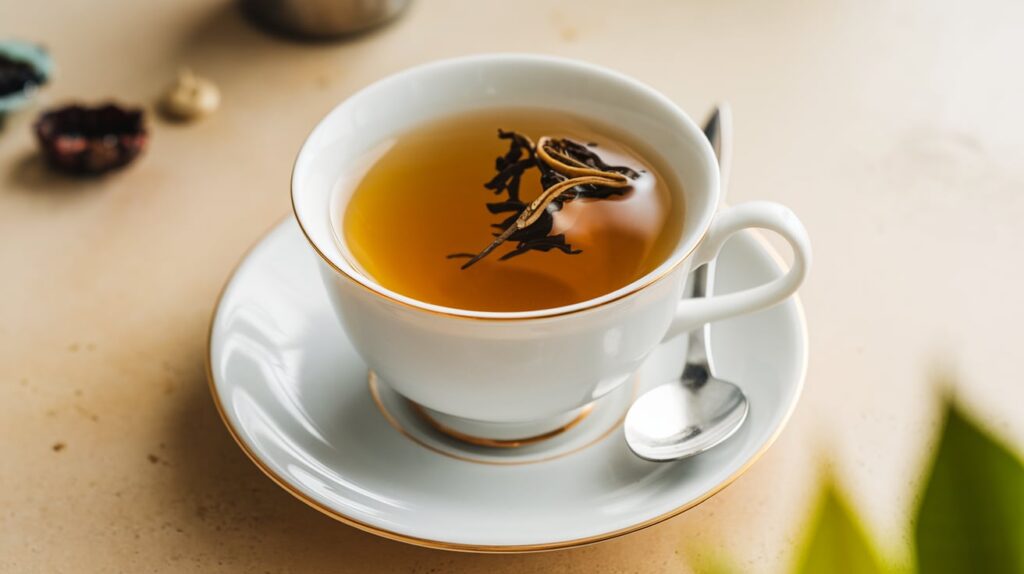
In today’s fast-paced world, stress has become an almost unavoidable part of daily life. From work deadlines to personal responsibilities, the constant demands can leave us feeling overwhelmed and drained. Stress, when left unchecked, can have serious impacts on both our mental and physical well-being. Stress relief tea can be a solution.
Thankfully, nature offers remedies to counterbalance the effects of stress. One of the simplest yet most effective ways to find calm is through stress relief tea. These soothing beverages have been cherished for centuries for their ability to calm the mind and body. This blog aims to explore different stress relief teas and how they can support your journey to relaxation and well-being.
- Understanding Stress and Its Effects
Stress is the body’s natural response to challenging situations. Whether it’s a sudden workload spike or ongoing personal challenges, the feeling of stress can be triggered by various events. While short-term stress can motivate us to meet deadlines or react quickly to danger, chronic stress can take a heavy toll.
Chronic strain impacts the frame in lots of methods:
- Mental effects: Persistent anxiety, difficulty concentrating, irritability, and even depression.
- Physical effects: Headaches, sleep disturbances, digestive issues, and a weakened immune system.
Recognizing stress early and finding natural remedies to mitigate its effects is essential for long-term health. One of the easiest and most enjoyable ways to reduce stress is by incorporating stress relief teas into your daily routine.
- The Science Behind Stress Relief Teas
What makes stress relief tea so effective? The secret lies in the natural compounds found in many herbs and plants. Two key components that contribute to stress relief in teas are L-theanine and antioxidants.
- L-theanine: Found in high quantities in green tea, this amino acid has been shown to promote relaxation without causing drowsiness. Studies suggest that L-theanine helps reduce stress by boosting levels of calming neurotransmitters like serotonin and GABA.
- Antioxidants: These are powerful compounds that fight oxidative stress in the body. Chronic stress can lead to an overproduction of free radicals, which damage cells and accelerate aging. Herbal teas like chamomile, rooibos, and peppermint are rich in antioxidants, helping to neutralize these harmful molecules and reduce the physical effects of stress.
Herbal Teas for Stress Relief
Not all teas are created equal when it comes to stress relief. Certain herbal teas stand out for their calming properties. Here are a few popular varieties:
- Chamomile Tea: Known for its calming effects, chamomile tea is often consumed before bed to aid relaxation and promote better sleep. Studies suggest that chamomile can reduce symptoms of anxiety, making it a go-to option for those looking for a natural way to unwind.
- Peppermint Tea: Peppermint is not only refreshing but also helps reduce tension and anxiety. The menthol in peppermint tea acts as a natural muscle relaxant, making it perfect for soothing physical symptoms of stress like headaches or tense muscles.
- Rooibos Tea: Native to South Africa, rooibos tea is packed with antioxidants. It has been shown to help reduce cortisol levels, which is the hormone responsible for stress. This tea is a caffeine-free alternative that may be enjoyed at any time of day.
- Lavender Tea: Well-known for its relaxing aroma, lavender tea is another excellent choice for stress relief. Its calming effects on the nervous system make it a great addition to your evening routine, helping to ease anxiety and promote restful sleep.
Supporting Evidence: Stress Relief Tea Benefits
Scientific research supports the use of tea for stress reduction. A study published in the “Journal of Functional Foods” found that participants who drank green tea containing L-theanine experienced a significant reduction in stress levels compared to those who consumed a placebo. Another study published in “Phytotherapy Research” demonstrated the anti-anxiety properties of chamomile tea, highlighting its effectiveness in reducing mild to moderate symptoms of anxiety.
Moreover, experts in integrative medicine often recommend incorporating herbal teas into daily wellness routines.
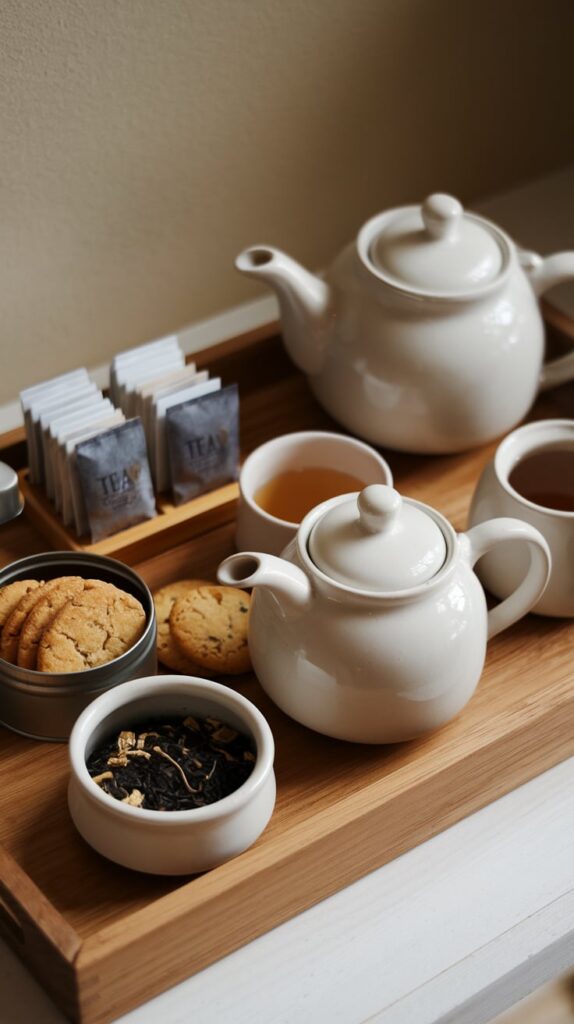
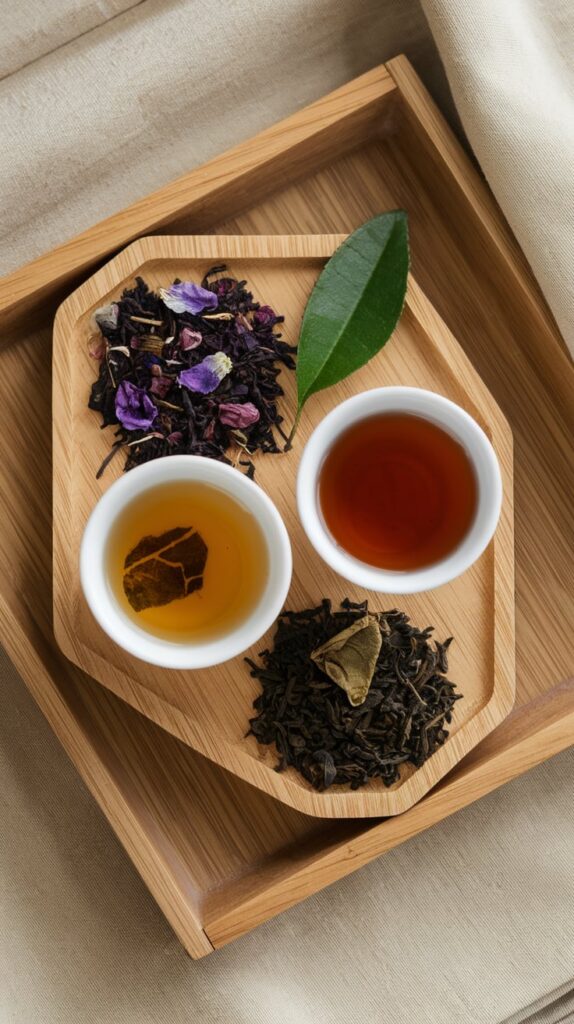
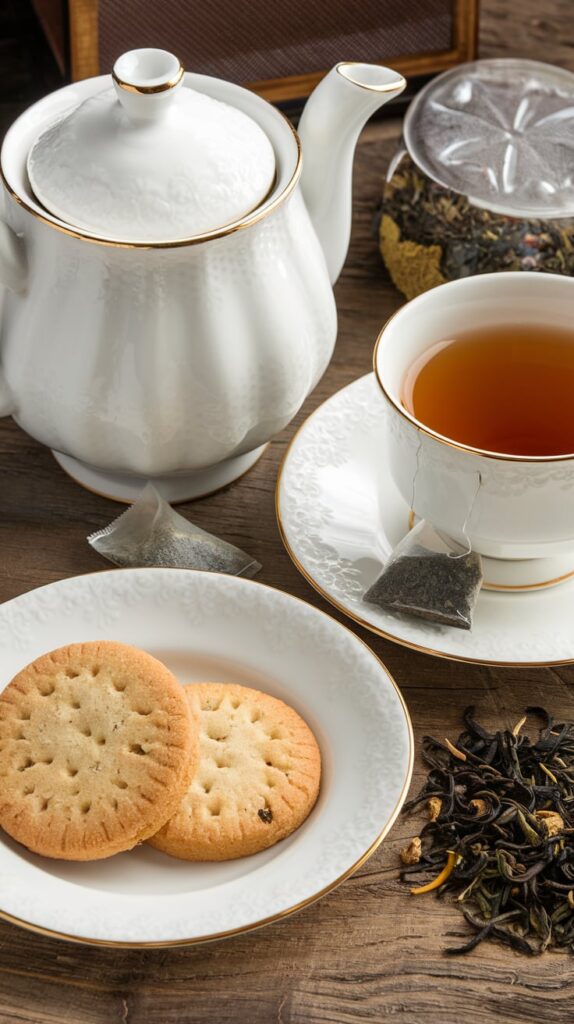
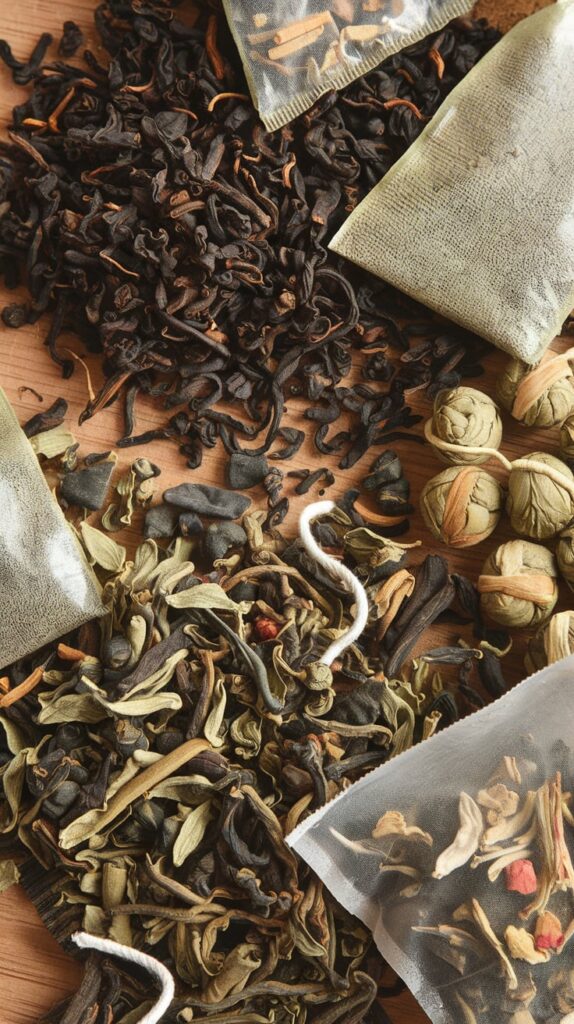
Top Stress Relief Teas to Try for Ultimate Relaxation
If you’re looking to unwind and relax, incorporating stress relief tea into your routine can be a great way to reduce anxiety and calm your mind. Different types of herbal teas offer unique benefits for stress relief. Below are some top stress-relieving teas and simple recipes to help you brew the perfect cup.
- Chamomile Tea
Benefits: Chamomile tea is well-known for its calming results. It promotes rests, reduces anxiety, and improves sleep quality. Chamomile is often used as a bedtime tea because it helps the body and mind wind down after a long day.
How to put together Chamomile Tea:
- Boil water and let it cool for a minute to avoid overheating the delicate flowers.
- Steep 1-2 teaspoons of dried chamomile flowers or a chamomile tea bag in hot water for 5-10 minutes.
- Add honey or lemon for extra flavor if desired.
Tip: For a stronger effect, try steeping the tea longer or using more chamomile flowers. Drinking it about 30 minutes before bed can help you relax into sleep.
- Lavender Tea
Benefits: Lavender tea is popular for reducing anxiety, promoting relaxation, and enhancing mood. The soothing aroma of lavender helps calm the nervous system and ease stress.
How to Prepare Lavender Tea:
- Boil water and steep 1 tablespoon of dried lavender buds in hot water for about 5 minutes.
- Strain the tea into a cup and sweeten it with honey if desired.
Tip: Combining lavender tea with chamomile or lemon balm makes a powerful stress relief tea blend.
- Peppermint Tea
Benefits: Peppermint tea helps soothe the mind, reduces headaches, and supports digestion. Its natural menthol component acts as a muscle relaxant, which is ideal for physical tension caused by stress.
How to put together Peppermint Tea:
- Boil water and steep 1-2 teaspoons of fresh or dried peppermint leaves for 5-7 minutes.
- Strain and enjoy. For a clean twist, upload a slice of lemon.
Tip: This tea is caffeine-free, making it perfect for any time of day when you need a mental refresh or to calm your stomach after a meal.
- Green Tea
Benefits: Green tea is packed with antioxidants and contains L-theanine, an amino acid known for its calming effects. It helps reduce stress without making you drowsy, making it ideal for daytime relaxation.
How to Prepare Green Tea:
- Heat water to just before boiling (about 175°F or 80°C).
- Steep 1 teaspoon of green tea leaves (or use a tea bag) for 2-3 minutes.
- For a stress-relief boost, add a few drops of lemon or a touch of honey.
Tip: Don’t over-steep green tea, as it can become bitter. Pair it with your afternoon routine to stay calm and focused.
- Lemon Balm Tea
pros: Lemon balm is a mild sedative that calms the nervous system, reduces anxiety, and improves cognitive function. It’s also great for uplifting your mood during stressful situations.
A way to Prepare Lemon Balm Tea:
- Boil water and steep 1 tablespoon of dried lemon balm leaves for 5-10 minutes.
- Strain and add honey or a cinnamon stick for extra flavor.
Tip: Lemon balm pairs well with other herbs like chamomile and lavender, creating an enhanced stress relief tea blend.
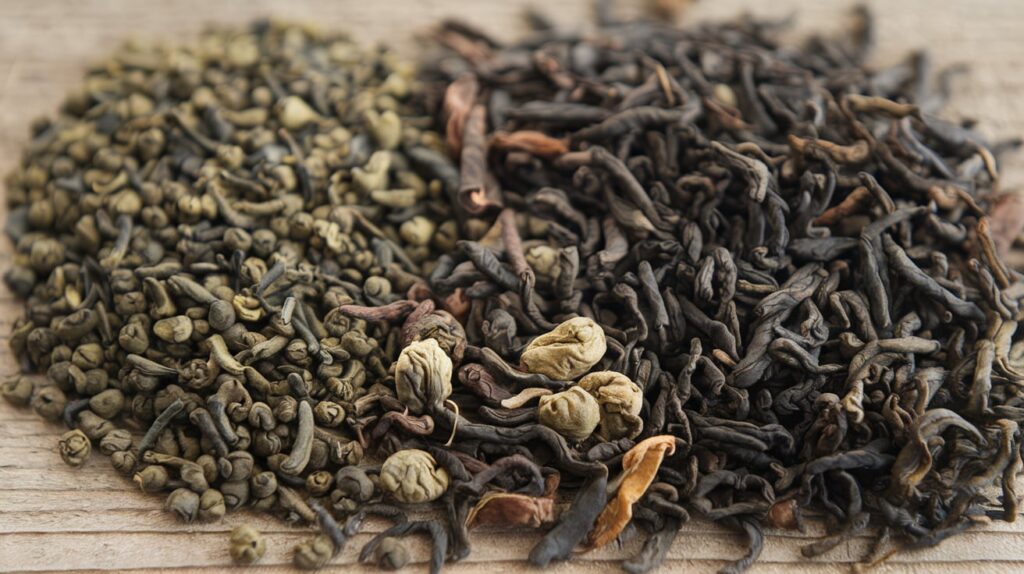
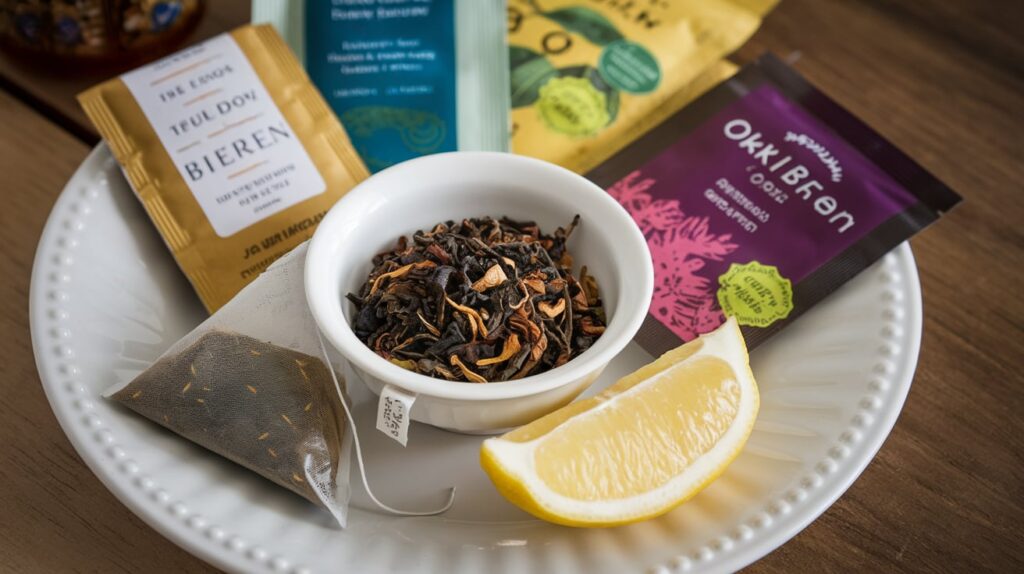
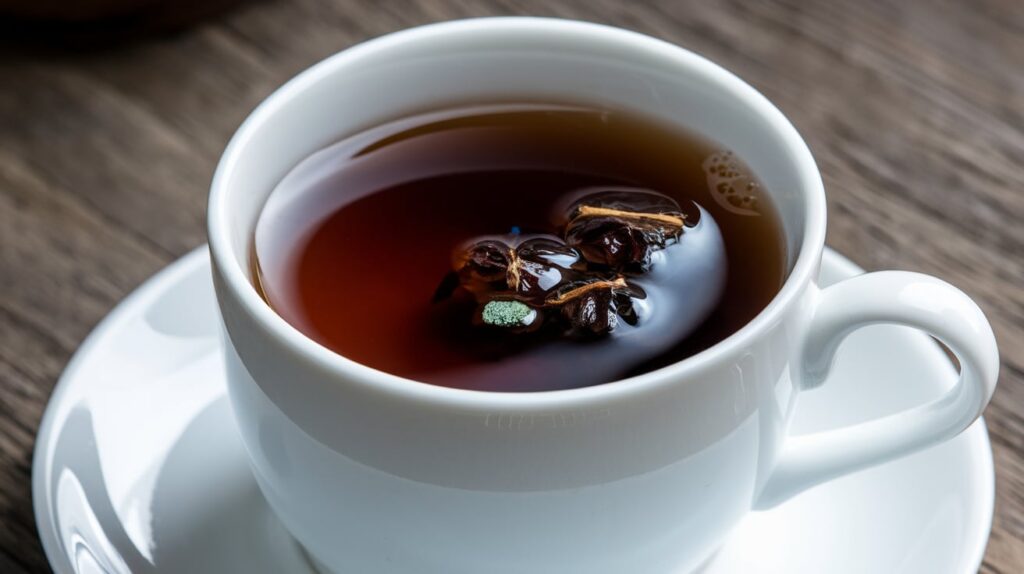
DIY Stress Relief Tea Blends
For those who love to experiment with flavors, creating your own stress relief tea blends can be fun and rewarding. Below are a few easy-to-make tea blends that combine the calming benefits of different herbs.
- Chamomile-Lavender Blend
Ingredients:
- 1 teaspoon dried chamomile flowers
- 1 teaspoon dried lavender buds
- Honey (optional)
Preparation:
- Boil water and steep the chamomile and lavender for 5-7 minutes.
- Strain the tea and add honey if desired.
Tip: This blend is perfect for bedtime, as both herbs help induce sleep and relaxation.
- Peppermint-Green Tea Blend
Ingredients:
- 1 teaspoon green tea leaves (or a tea bag)
- 1 teaspoon dried peppermint leaves
- Lemon wedge (optional)
Preparation:
- Boil water and steep the green tea and peppermint together for 3-5 minutes.
- Strain and enjoy. Add a slice of lemon for a refreshing and energetic twist.
Tip: This blend is perfect for an afternoon pick-me-up, providing both stress relief and an energy boost without the jittery side effects.
- Lemon Balm & Chamomile Calming Blend
Ingredients:
- 1 teaspoon dried lemon balm leaves
- 1 teaspoon dried chamomile flowers
- Honey (optional)
Preparation:
- Boil water and steep both herbs together for 5-7 minutes.
- Strain and sweeten with honey if desired.
Tip: Drink this blend when you’re feeling overwhelmed and need to calm both your mind and body.
- Rooibos & Lavender Nighttime Blend
Ingredients:
- 1 teaspoon rooibos tea
- 1 teaspoon dried lavender buds
- Vanilla extract (optional)
Preparation:
- Boil water and steep the rooibos and lavender for 7-10 minutes.
- Strain and add a drop of vanilla extract for a soothing nighttime treat.
Tip: Rooibos is caffeine-free, making it an ideal tea for evening relaxation.
Conclusion
Incorporating stress relief tea into your daily routine is a simple and enjoyable way to manage stress naturally. Whether you create a calming tea corner at home, pair your tea with other relaxation techniques, or simply enjoy the peaceful ritual of tea brewing, these small moments can have a big impact on your well-being.
With a wide range of soothing teas like chamomile, peppermint, and lavender, you can experiment and discover which blends work best for your lifestyle. Remember that combining your tea habits with other stress-reducing practices, such as exercise, a healthy diet, and mindfulness, will maximize their benefits.
We encourage you to try different teas, create your own tea rituals, and share your experiences in the comments below. Do you have a favorite stress relief tea or recipe that helps you relax? We’d love to hear about it!